What Outcomes Are Expected from Medically Managed Scar Removal?
Scars tend to stay longer than most people expect. Even after the skin has healed, the texture or color can remain as a reminder of inflammation, injury, or previous acne. For some, scars are barely noticeable, while for others they feel prominent and frustrating, especially under certain lighting or when makeup settles unevenly. In dermatology clinics, questions about scar removal often come with a mix of hope and caution. People want improvement, but they also want to understand what is realistically possible.
Medically managed scar removal is usually not framed as a quick fix. Instead, it is approached as a gradual process that takes into account how scars form, how skin heals, and how individual skin types respond to stimulation. Outcomes can vary, and understanding what those outcomes typically look like can help set expectations that feel grounded rather than disappointing.
How Medically Managed Scar Removal Is Framed
During consultations, discussions about improvement pathways and best acne scar removal Singapore options often appear in the middle of conversations about scar history, skin sensitivity, and healing response, rather than as a guaranteed solution. This framing is intentional.
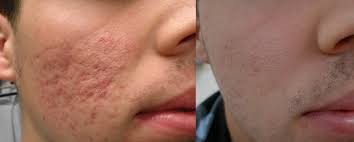
Medically managed scar removal focuses on controlled remodeling rather than erasing scars completely. The goal is often to soften texture differences, reduce depth, and improve how scars blend with surrounding skin. In practice, scars are rarely eliminated, but they can become less noticeable over time.
This approach prioritizes safety and predictability. Instead of aggressive correction, the emphasis is placed on gradual improvement that the skin can tolerate.
Understanding the Types of Outcomes Possible
Outcomes from scar removal depend heavily on scar type, depth, and distribution. Shallow scars may respond more readily, while deeper scars often require multiple treatment sessions and patience.
Texture improvement is one of the most common outcomes. Skin may feel smoother to the touch, and light may reflect more evenly across treated areas. In many cases, this change is subtle but meaningful.
Color changes may also occur. Red or dark marks can fade gradually as inflammation settles and skin turnover continues. However, pigment response varies widely, especially in skin prone to post-inflammatory discoloration.
Gradual Versus Immediate Changes
One of the most important things to understand is timing. Medically managed scar removal rarely produces immediate dramatic results. Changes often occur in stages.
Some people notice early firmness or slight smoothing within weeks, while others see little visible change at first. This does not necessarily mean treatment is ineffective. Collagen remodeling happens beneath the surface and can take months to become apparent.
Unfortunately, expecting instant improvement often leads to frustration. In practice, slower progress is more common and often more stable.
The Role of Collagen Remodeling
Most medical scar treatments rely on stimulating collagen. When the skin is treated in a controlled way, it begins a repair process that may lead to new collagen formation.
As collagen rebuilds, depressed scars can appear less deep, and uneven areas may feel more supported. This process is cumulative. Each session contributes incrementally, rather than resetting the skin entirely.
Collagen quality matters as much as quantity. Newly formed collagen tends to be more organized, which can improve skin resilience even if scars remain faintly visible.
How Consistency Influences Results
Consistency plays a major role in outcomes. Medically managed treatments are often scheduled in a series, with intervals that allow the skin to heal fully between sessions.
Skipping sessions or spacing them too far apart may slow progress. On the other hand, performing treatments too frequently can increase inflammation and delay healing.
In practice, following a structured schedule tailored to skin response often produces steadier improvement.
Variability Based on Skin Type and Healing Response
Skin type significantly influences outcomes. Thicker skin may tolerate stimulation better, while thinner or more sensitive skin may require gentler settings.
Individuals prone to pigmentation changes may see improvement in texture before color evens out. This sequence can feel discouraging, though it is not uncommon.
Healing response also varies. Some skin types recover quickly with minimal redness, while others take longer to calm. These differences shape both the pace and appearance of results.
Managing Expectations Around Perfection
One of the more challenging aspects of scar removal is redefining success. Medically managed scar treatment is rarely about perfection.
Improvement often means scars are less obvious in daily life, even if they are still visible on close inspection. Many patients report that makeup applies more smoothly, or that they think about their scars less often.
In practice, emotional relief often comes from these small functional improvements rather than from complete disappearance of scars.
The Impact of Lifestyle and Aftercare
Lifestyle factors can influence outcomes more than expected. Sun exposure, smoking, and poor sleep may affect healing and collagen formation.
Aftercare also matters. Gentle skincare, adequate hydration, and sun protection support the skin’s repair process. Skipping these steps can undermine progress made during treatment sessions.
In many cases, outcomes improve not only because of the treatment itself, but because patients become more aware of how they care for their skin.
Long-Term Results and Maintenance
Scar removal outcomes are not always permanent. Skin continues to age, and collagen naturally breaks down over time.
Some people choose maintenance treatments periodically to preserve results. Others are satisfied with initial improvement and do not pursue further care.
Understanding that maintenance may be part of long-term management helps avoid disappointment when results gradually soften.
Emotional Outcomes Beyond Physical Changes
Scar removal often affects more than skin texture. Many patients describe improved confidence or reduced self-consciousness after treatment.
Even modest physical improvement can change how someone feels in social or professional situations. This emotional outcome is often underestimated but plays a significant role in overall satisfaction.
In practice, feeling more comfortable in one’s skin can be just as important as visible change.
When to Seek Professional Help
- Scars that remain deep or uneven despite home care
- Persistent redness or pigmentation after previous treatments
- Acne scars combined with ongoing breakouts
- Skin that reacts strongly to minor procedures
- Uncertainty about realistic treatment outcomes
Viewing Outcomes as Part of a Process
Outcomes from medically managed scar removal are best understood as part of an ongoing process rather than a single endpoint. Each phase of treatment builds on the last.
Unfortunately, there are few shortcuts. Skin biology requires time, and forcing rapid change often leads to setbacks. A measured approach allows improvements to settle more naturally.
By viewing outcomes through this lens, progress often feels more meaningful and less stressful.
Commonly Asked Question
Will acne scars completely disappear with medical treatment?
Complete disappearance is uncommon. Most treatments aim to reduce depth and visibility rather than erase scars entirely.
How soon should improvement be noticeable?
Some people notice changes within weeks, though fuller improvement often takes several months as collagen remodels.
Do all scar types respond the same way?
No. Shallow scars usually respond more easily, while deeper scars often require multiple sessions.
Can scar treatment worsen pigmentation?
It can, especially if inflammation is not well controlled. Proper settings and aftercare help reduce this risk.
Are results permanent?
Results can last a long time, though aging and lifestyle factors may influence how long improvements are maintained.
Next Steps
If scars continue to affect how you feel about your skin, consulting a dermatologist can help clarify what outcomes are realistic for your scar type and skin condition. Understanding the process, timelines, and limitations of medically managed scar removal may help you approach treatment with clearer expectations and greater confidence over time.
Understanding the Rise of Advanced Skin Technology in Modern Aesthetics