Navigating Cataract Surgery: What Patients Need to Know Before Procedure
Imagine squinting at road signs during dusk or struggling to read a menu in dim light—scenarios all too common for millions dealing with cataracts. These cloudy lenses rob clarity from everyday moments, but modern surgery offers a straightforward path back to sharp vision. As someone who’s followed advancements in ophthalmology for over two decades, I’ve seen how this once-intimidating procedure has evolved into a routine, life-changing intervention. Let’s break down what really happens, from preparation to recovery, so you can approach it with confidence.
Understanding Cataracts and Why Surgery Becomes Essential
Cataracts develop when the eye’s natural lens hardens and clouds over time, often starting subtly after age 60. Proteins in the lens clump together, scattering light and creating that frustrating haze. Factors like diabetes, smoking, or prolonged UV exposure speed things up, turning a minor annoyance into a barrier for driving, reading, or enjoying hobbies.
Early on, stronger glasses or brighter lights might help, but once vision dips below 20/40, surgery is the gold standard. Delaying it risks falls or accidents, especially for active folks. The good news? Over 3 million Americans undergo this annually, with success rates hovering near 98% for improved sight.
Signs It’s Time to Consult a Specialist
Blurry vision that worsens at night, faded colors, or double images in one eye signal progression. If headlights glare excessively or you find yourself avoiding social outings due to poor sight, don’t wait. A quick exam measures lens opacity and overall eye health, setting the stage for timely action.
Preparing for Your Cataract Surgery Day
Preparation starts weeks ahead with a comprehensive eye checkup. Your doctor maps the cornea’s shape, assesses retinal health, and discusses lifestyle needs—like whether you’ll want lenses optimized for distance or reading. Most patients stop blood thinners and fast briefly beforehand, but it’s far less disruptive than major surgeries.
Choose a reputable center experienced in high-volume cases; their track record matters. For instance, sites like UCLA Health’s ophthalmology services exemplify the rigorous standards that ensure precision. Patients often share how this step alone eases anxiety, turning unknowns into a clear plan.
Customizing Your Lens Implant
Today’s intraocular lenses (IOLs) go beyond basic clarity. Multifocal versions handle near and far vision, reducing glasses dependence. Toric IOLs correct astigmatism, while light-adjustable ones fine-tune post-surgery. Discuss premiums for advanced options—they pay off in convenience.
The Surgery Itself: Quick, Precise, and Remarkably Gentle
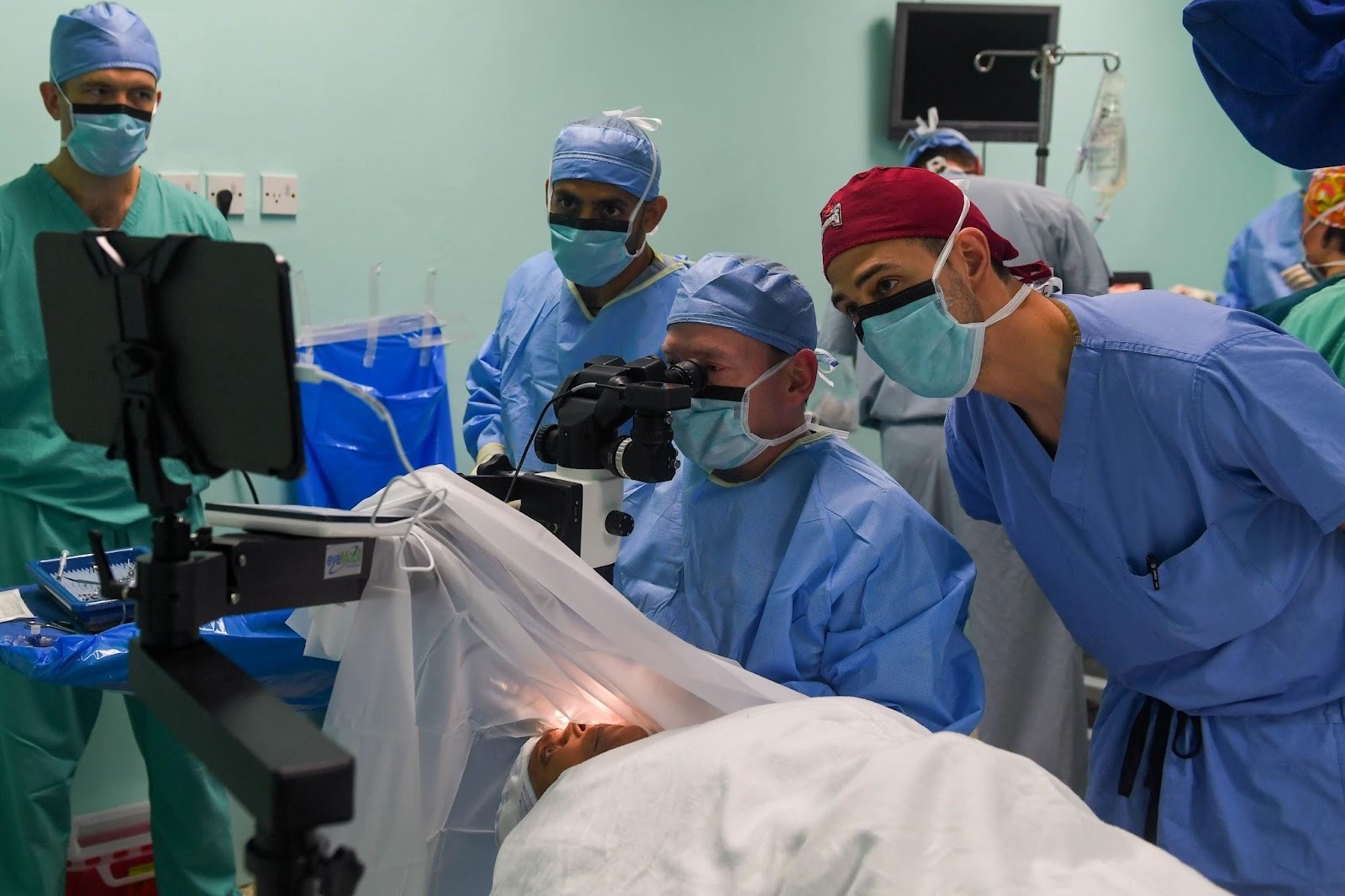
Cataract removal lasts 10-20 minutes per eye, done outpatient under topical anesthesia. No general sedation means you’re awake but comfortable, listening to soft music if you like. The surgeon uses ultrasound to emulsify and suction out the cloudy lens, then inserts the folded IOL through a tiny incision that self-seals.
Precision comes from tools like femtosecond lasers, which create flawless openings and segment the lens for easier removal. Recovery begins immediately; most drive home within hours. I recall a patient, a retired teacher, who described it as “like flipping a switch on fogged headlights.”
read more : https://wellshealthorganic.com/
Managing Expectations During the Procedure
You might sense gentle pressure or bright lights, but pain is rare. Both eyes rarely happen same-day; spacing them two weeks apart allows adjustments. Trust the surgeon’s calm demeanor—it mirrors the procedure’s safety profile.
Post-Op Care: Simple Steps for Optimal Healing
Shield your eye with a patch or shield overnight, and use prescribed drops to prevent infection and inflammation. Vision stabilizes quickly, though full crispness takes days to weeks as the IOL settles. Avoid rubbing, heavy lifting, or dusty environments initially.
Follow-up visits confirm healing and tweak prescriptions if needed. Complications like infection affect under 1%, and prompt care resolves them swiftly. Many return to work in days, marveling at colors’ vibrancy.
Linking Eye Health to Broader Wellness
Eye surgery intersects with vascular health too; conditions like hypertension can complicate healing. For those with related issues such as varicose veins, explore modern solutions for varicose veins to optimize overall circulation before procedures. Stronger vessels support faster recovery across the board.
Specialized resources like Eye Surgery Today offer in-depth guides on these connections, helping patients coordinate care seamlessly.
Advanced Techniques Shaping the Future
Laser-assisted surgery boosts accuracy, especially for complex cases like those with prior LASIK. AI now aids in IOL calculations, minimizing errors. Emerging drops aim to soften cataracts without surgery, though they’re years away for widespread use.
Personalized medicine tailors approaches—genetic testing predicts risks, while extended-depth IOLs mimic natural focus. These innovations mean younger patients with congenital cataracts get durable fixes earlier.
Lifestyle Adjustments for Long-Term Clarity
Post-surgery, protect eyes with UV sunglasses, eat leafy greens rich in lutein, and manage blood sugar. Regular checkups catch issues like macular degeneration early. Patients who adopt these habits often maintain 20/20 vision for decades.
Real Stories from the Recovery Room
Take Sarah, 68, a gardener whose world blurred yearly. Post-surgery, she resumed weeding without glasses, calling it “freedom rediscovered.” Or Mike, a pilot grounded by glare; toric IOLs got him back in the cockpit. These aren’t outliers—surveys show 95% would choose it again.
Challenges exist, like temporary halos around lights, but they fade. Emotional boosts are profound; clearer sight reignites passions long dimmed.
Conclusion
Cataract surgery demystifies vision restoration, blending cutting-edge tech with time-tested safety. From tailored lenses to swift recoveries, it empowers patients to reclaim sharp, vibrant days. Weigh your symptoms against these realities, consult experts, and step forward—clearer horizons await. Your eyes deserve this upgrade.