Managing Facial Skin Laxity with HIFU-Based Medical Care
Facial skin laxity tends to appear gradually, often in ways that are easy to miss at first. A softer jawline, a slight droop around the cheeks, or skin that no longer feels as firm when touched can develop over years rather than months. For many people, these changes feel subtle yet unsettling, especially when the face no longer reflects how energetic they feel. In an aesthetic clinic setting, conversations about laxity are common, though they rarely begin with a single solution in mind.
Skin laxity is influenced by multiple factors. Age plays a role, of course, but sun exposure, weight fluctuations, stress, and genetics can all contribute. As collagen and elastin production slows, the skin’s internal support structure becomes less efficient. Medical care aimed at managing these changes often focuses on supporting the skin’s natural repair mechanisms rather than forcing dramatic surface-level change. This is where energy-based treatments such as HIFU are sometimes considered.
Understanding How HIFU Fits Into Laxity Management
In consultations, discussions about facial firmness and hifu face tightening Singapore often appear in the middle of broader conversations about aging patterns, skin thickness, and long-term goals, rather than being introduced as an automatic recommendation. This context is important because HIFU is not designed to replace all other treatments.
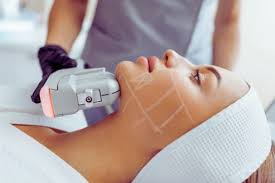
HIFU, or high-intensity focused ultrasound, delivers targeted ultrasound energy into deeper layers of the skin. These layers are not easily reached by topical products or superficial treatments. The energy creates small zones of controlled thermal effect, which may stimulate collagen remodeling over time. In practice, this approach aims to encourage the skin to rebuild some of its internal support.
Because the surface of the skin is largely left intact, HIFU-based care is often discussed when patients prefer minimal downtime. However, this also means that results are not immediate, which can feel confusing without proper explanation.
The Biological Basis of Skin Laxity
To understand how HIFU-based care works, it helps to consider what causes laxity in the first place. Collagen fibers provide strength, while elastin allows the skin to stretch and return to shape. Over time, these fibers become fragmented and less organized.
In addition, the deeper supportive layers of the face gradually shift. Fat pads may descend, and connective tissue loses tension. These changes contribute to sagging rather than simple surface wrinkles. Therefore, treatments that act only on the surface may have limited impact on laxity.
HIFU-based medical care targets deeper structures where collagen is more densely located. By focusing on these layers, the treatment may influence how the skin holds itself, rather than just how it looks on the surface.
What HIFU-Based Care Feels Like in Practice
The experience of HIFU treatment varies. Some people describe brief sensations of warmth or pressure, while others feel mild discomfort at certain depths. These sensations are typically short-lived and linked to energy delivery rather than skin damage.
After treatment, the skin may feel slightly tender or tight. Redness is usually mild and temporary. In many cases, people return to normal activities the same day. This low downtime is often appealing, though it can also create the expectation of fast results.
Unfortunately, HIFU does not work that way. The biological response unfolds slowly. Collagen remodeling can take weeks or months, which means patience becomes part of the process.
Gradual Improvement and Realistic Expectations
One of the most important aspects of managing facial laxity with HIFU-based care is expectation setting. Improvement is often described as subtle rather than dramatic. The face may appear slightly lifted, contours may look more defined, and the skin may feel firmer to the touch.
These changes often appear unevenly at first. One side of the face may seem to respond faster, or certain areas may show improvement before others. In practice, this is normal and reflects how collagen remodeling occurs in stages.
Expecting surgical-level lifting from non-invasive care can lead to disappointment. HIFU is usually positioned as a supportive option, especially for mild to moderate laxity.
Areas Commonly Addressed with HIFU
HIFU-based care is often used on areas where skin laxity becomes noticeable. These may include the lower face, jawline, cheeks, and neck. Each area behaves differently.
The jawline may show clearer definition, while the cheeks may feel firmer rather than visibly lifted. The neck can be more unpredictable due to thinner skin and varying collagen density. Therefore, treatment plans are often customized by area.
In practice, not all facial regions are treated with the same intensity. Adjustments are made to balance effectiveness with comfort and safety.
Combining HIFU with Other Medical Care
HIFU is rarely used in isolation when managing facial laxity. Other treatments aimed at skin quality, hydration, or tone may be introduced at different stages. The key is timing.
Combining treatments too closely can overwhelm the skin. Therefore, HIFU is often scheduled separately from more superficial procedures. This spacing allows the deeper remodeling process to proceed without added inflammation.
In many cases, supportive skincare routines are emphasized alongside in-clinic care. These routines do not replace HIFU, but they may help maintain overall skin health.
Factors That Influence Treatment Response
Not everyone responds to HIFU-based care in the same way. Age, skin thickness, and baseline collagen levels all influence outcomes. Younger skin with mild laxity may show quicker changes, while older skin may require more patience.
Lifestyle factors also matter. Sun exposure, smoking, and stress can affect collagen health. While these factors do not prevent improvement, they may influence how long results last.
In practice, understanding these variables helps explain why results differ between individuals, even when the same technology is used.
Monitoring Progress Over Time
Progress after HIFU is often assessed gradually. Follow-up visits allow clinicians to evaluate changes in firmness, contour, and skin feel. Photographs may be compared over time, though visual changes can be subtle.
Patients are often encouraged to focus on how their face feels and moves, not just how it looks in the mirror. Firmer skin may feel more supported during facial expressions.
Monitoring also helps determine whether additional treatments are appropriate or whether maintenance should be planned later on.
Emotional Considerations Around Facial Laxity
Facial laxity can affect how people perceive themselves. Even small changes can alter confidence, especially when the face no longer aligns with how someone feels internally.
HIFU-based care often appeals to those seeking gradual improvement without dramatic change. For some, this aligns better with their comfort level. For others, the subtlety may feel underwhelming.
Acknowledging these emotional responses is part of managing expectations and satisfaction.
When to Seek Professional Help
- Noticeable facial sagging that continues to progress
- Skin laxity affecting confidence or self-image
- Uncertainty about whether non-invasive options are appropriate
- Desire to explore medical care without surgical downtime
- Questions about combining laxity treatments safely
Viewing Laxity Management as a Long-Term Process
Managing facial skin laxity is rarely a one-time event. Skin continues to age, and collagen continues to change. HIFU-based medical care may offer support, but maintenance and long-term planning are often part of the discussion.
In practice, some people choose periodic treatments spaced over years rather than expecting permanent change from a single session. This approach may feel more realistic and less stressful.
Understanding laxity management as an ongoing process often leads to more satisfying outcomes.
Commonly Asked Question
How soon can results from HIFU be noticed?
Some people notice mild tightening within weeks, though fuller results often develop over several months as collagen remodels.
Is HIFU painful?
Discomfort varies. Many describe brief sensations of heat or pressure rather than ongoing pain.
Can HIFU replace surgical lifting?
In most cases, it does not. HIFU is generally used for mild to moderate laxity rather than significant sagging.
How long do the effects usually last?
Results can last many months to over a year, depending on skin condition and lifestyle factors.
Is HIFU suitable for all skin types?
It can be used on many skin types, though assessment is important to determine suitability and settings.
Next Steps
If facial skin laxity is becoming a concern and you are considering non-invasive options, a consultation at an aesthetic clinic may help clarify whether HIFU-based medical care aligns with your goals. Understanding expected outcomes, timelines, and maintenance needs can make the decision feel more informed and manageable over time.