What Happens When You Stop Weight Loss Injections
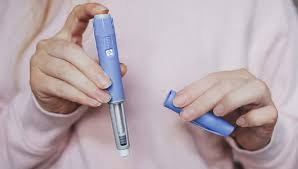
Weight loss injections have become a popular option for people looking to achieve noticeable results without drastic dieting. These treatments, including appetite-suppressing and hormone-based injections, can support weight management effectively when combined with healthy lifestyle habits. However, many individuals wonder what happens when you stop weight loss injections and whether the progress they achieved will be maintained. Understanding the physical, psychological, and metabolic changes that occur after discontinuation is essential for long-term success and sustainable results.
At RoenRx, we emphasize a holistic approach to weight management, ensuring clients are equipped with the knowledge and strategies to maintain their results even after completing an injection program. This article explores the effects of stopping weight loss injections, potential weight regain, and practical steps to keep your progress intact.
How Weight Loss Injections Work
Weight loss injections work by targeting specific processes in the body to enhance weight loss. Some injections, like GLP-1 receptor agonists, affect hunger hormones, helping individuals feel full sooner and reduce overall calorie intake. Others, such as lipotropic or hormone-based injections, may support fat metabolism and energy regulation. While these treatments are highly effective, they are most beneficial when paired with proper nutrition, consistent physical activity, and behavior-focused strategies.
Stopping injections does not mean your efforts will be wasted, but it does require planning. Without a strategy, the body may gradually revert to pre-treatment patterns of appetite, metabolism, and energy use. At RoenRx, clients are guided through both the active treatment phase and the post-injection phase to ensure their results are sustainable.
Physical and Metabolic Changes After Stopping Injections
When you discontinue weight loss injections, the body undergoes several changes that may influence appetite, energy, and weight. Appetite often returns to pre-treatment levels, which can lead to increased calorie intake if mindful eating is not practiced. Injections that affected metabolic rate or hormone balance may no longer provide the same support, resulting in a slight slowing of metabolism. For some, this is accompanied by changes in blood sugar or energy levels, particularly if the injections were involved in regulating glucose metabolism.
Understanding these shifts is critical. While not everyone experiences dramatic changes immediately, awareness allows you to implement strategies that prevent unwanted weight gain. At RoenRx, education is a core component of every program, helping clients recognize these potential changes and take proactive steps to maintain their achievements.

Do You Gain Weight After Stopping Weight Loss Injections?
The concern of regaining weight is common among those who have relied on injections. The answer to whether you gain weight after stopping weight loss injections depends on several key factors, including lifestyle habits, the duration of treatment, and psychological approach. Those who adopted balanced eating, consistent exercise, and healthy behavior changes alongside injections are less likely to regain weight. Conversely, individuals who relied primarily on injections without building sustainable habits may experience gradual weight gain.
Duration of treatment also plays a role. Long-term use of weight loss injections can lead to more significant changes in appetite and metabolism, so discontinuing them without planning may cause the body to adjust by increasing hunger and slowing calorie expenditure. At RoenRx, we focus on helping clients establish habits that extend beyond the injection period, making it possible to maintain results without relying on continued medication.
Psychological factors are equally important. Some people develop a sense of dependency on injections, expecting weight management to occur automatically. Recognizing the mental aspect of weight maintenance is essential, and addressing stress-related or emotional eating habits is critical for long-term success. Programs at RoenRx integrate both physical and behavioral guidance to ensure clients can manage their weight confidently after discontinuing injections.
Maintaining Weight Loss After Discontinuation
Sustaining results after stopping weight loss injections requires a deliberate approach. One of the first strategies is gradual adjustment. Some healthcare providers recommend tapering injections rather than stopping abruptly. This allows the body to recalibrate appetite signals and metabolism in a controlled way.
Nutrition plays a central role in maintaining weight. Focusing on balanced meals with lean proteins, whole grains, fiber-rich vegetables, and healthy fats can help manage hunger and maintain energy levels. Mindful eating practices, such as recognizing fullness cues and avoiding unnecessary snacking, are especially effective. Regular physical activity supports metabolism, preserves muscle mass, and reinforces the healthy lifestyle habits developed during treatment. At RoenRx, clients are encouraged to build routines that integrate both cardiovascular and strength training exercises, promoting long-term metabolic health.
Behavioral strategies are also crucial. Keeping a food journal, setting realistic goals, and monitoring progress help reinforce accountability and awareness. Social support, whether through family, friends, or community programs, provides additional motivation. Combining these practices ensures that weight maintenance is achievable even without ongoing injections.
Long-Term Strategies for Sustainable Weight Maintenance
To ensure lasting results, it is essential to integrate consistent routines, monitor progress, and reinforce healthy behaviors. Structured daily routines, including consistent sleep patterns, meal timing, and exercise, provide stability that supports metabolic health. Tracking weight, body measurements, and physical fitness levels helps identify small changes early, allowing for timely adjustments.
Behavioral strategies such as habit stacking, goal setting, and self-reward systems reinforce positive actions. Additionally, the support network offered through RoenRx encourages accountability and motivation, which are critical for long-term success. Ultimately, maintaining weight loss is about creating a lifestyle that can be sustained without relying on injections or other external aids.

Common Misconceptions About Stopping Weight Loss Injections
One common misconception is that injections permanently alter metabolism or hunger signals. While they can provide temporary support, lasting changes rely on lifestyle adjustments. Another false belief is that stopping injections inevitably leads to immediate weight gain. In reality, careful planning, nutrition, exercise, and behavioral strategies can prevent most weight regain. RoenRx emphasizes that injections are a tool, not a permanent solution, and lasting weight management depends on sustainable habits developed during treatment.
Conclusion
Understanding what happens when you stop weight loss injections is essential for anyone considering this form of treatment. While appetite changes, metabolic adjustments, and psychological factors may occur, strategic planning and lifestyle adaptation allow most individuals to maintain their results. By prioritizing balanced nutrition, consistent physical activity, mindful habits, and professional support, you can preserve the benefits of your weight loss program. RoenRx is committed to guiding clients through this transition, ensuring long-term success and health. Weight loss injections are just one step in the journey, and sustainable results come from the habits and strategies you adopt along the way.
Read more : WellHealthOrganic Fitness: Your Path to Natural Wellness
FAQs
1. How soon will my appetite return after stopping weight loss injections?
Appetite changes vary but typically return gradually within days to weeks. Mindful eating can help manage these shifts effectively.
2. Can I maintain my weight without injections?
Yes. By focusing on nutrition, physical activity, and behavior management, many clients maintain weight successfully after stopping injections.
3. Are there medical risks associated with stopping injections?
Most individuals experience mild changes like increased appetite or slight metabolic adjustments. Consulting a healthcare provider ensures a safe transition.
4. Should I gradually stop injections or quit abruptly?
Gradual tapering is often recommended to allow your body to adjust, though guidance from a provider or programs like RoenRx ensures the best approach.
5. How does RoenRx help with weight maintenance after injections?
RoenRx provides personalized nutrition, exercise, behavioral guidance, and ongoing support to help clients sustain their weight loss even after treatment ends.