
Mounjaro Vial: Practical Guidance for Safe, Steady Metabolic Care
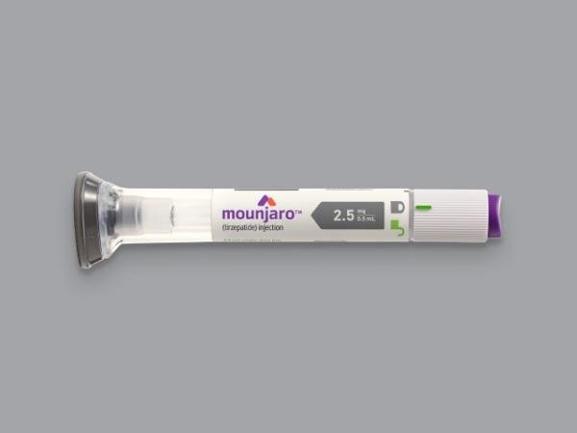
Managing a weekly injectable therapy can feel complex at first. People want clear, practical steps to handle storage, dosing routines, side effects, and everyday life. If you are exploring options like the Mounjaro Vial, this overview explains common challenges and ways to plan ahead safely and confidently.
This article focuses on education rather than recommendations. It outlines how to prepare, what to watch for, and how to talk with your care team. You will find strategies for building routines, minimizing discomfort, and tracking progress over time.
Understanding weekly injectables and why routines matter
Many modern injectables act on gut and metabolic pathways to support glucose control and weight-related outcomes. They can reduce appetite, slow stomach emptying, and improve post-meal glucose. These effects are gradual, so consistent weekly timing and ongoing lifestyle support matter.
Clear routines help you notice patterns and side effects early. Pick a weekly day and time you can maintain for months. Use a calendar alert or medication app. When schedules change, document the new plan and confirm timing with your healthcare provider to avoid confusion.
Is a weekly injectable appropriate for you?
Suitability depends on individual health status, goals, and medical history. Discuss your history of pancreatitis, gallbladder disease, severe gastrointestinal issues, or endocrine conditions with your clinician. Review current medicines to check for interactions, including diabetes therapies and blood pressure drugs.
Share your priorities: glucose stability, weight-related targets, energy levels, or digestive comfort. Ask how progress will be measured using A1C, fasting and post-meal glucose, or waist and weight trends. Agree on a timeline for reassessment and what would trigger dose changes or pauses.
Handling and storage: from refrigerator to injection day
Most vials require refrigeration before first use. Avoid freezing. Keep the vial in its original carton to protect from light. Check the product’s storage range on the label, then set a refrigerator thermometer to verify accuracy.
On injection day, take the vial out and let it reach room temperature as allowed by the label. Cold injections can sting more. Inspect the solution visually; do not use it if you see discoloration, particles, or cloudiness that is not described as normal. Always confirm the expiration date.
Preparing your dose: clean technique and careful measurement
Gather supplies: alcohol swabs, a clean syringe and needle, the vial, and a sharps container. Wash and dry your hands thoroughly. Wipe the vial’s rubber stopper with an alcohol swab and let it air-dry to reduce contamination.
Draw air into the syringe equal to your intended dose. Inject that air into the vial to make drawing up the medication easier. Invert the vial and pull back the plunger slowly to the prescribed volume. Tap out bubbles gently and recheck the measurement at eye level. If unsure, verify steps with your clinic’s nurse or pharmacist.
Injection sites, rotation, and comfort tips
Common subcutaneous sites include abdomen, front thighs, and upper outer arms. Rotate sites to reduce skin irritation, lumps, or bruising. Keep injections at least several centimeters from scars, moles, or your belly button.
Use a new needle each time. Let the skin disinfectant dry fully before injecting. Insert the needle at the angle and depth recommended by your care team, inject slowly, and wait a moment before withdrawing the needle to reduce leakage. Apply gentle pressure with a clean swab; avoid rubbing.
Digestive symptoms: what to expect and how to cope
Early weeks often bring nausea, decreased appetite, mild bloating, or occasional vomiting. These effects usually ease as your body adapts. If you tend to feel queasy, schedule injections before a low-commitment day so you can adjust your meals and rest.
Small, frequent meals may help. Choose lean protein, cooked vegetables, and easily digestible whole grains. Avoid heavy, high-fat meals around injection day, which can worsen nausea. Sip water regularly; dehydration can intensify headaches and constipation.
Nutrition strategies that support tolerance
Protein at each meal helps stabilize energy and reduce hunger spikes. Aim for sources such as eggs, fish, tofu, lentils, or yogurt. Add fiber gradually through oats, berries, beans, and softened vegetables to support fullness and regularity.
If you experience reflux or early fullness, try smaller portions spaced through the day. Avoid lying down immediately after meals. Some people tolerate soups or smoothies better early on; transition to more solid foods as symptoms settle. Discuss significant or persistent symptoms with your clinician.
Hydration, activity, and sleep
Hydration supports digestion and reduces constipation risk. A simple approach is to drink a glass of water with each meal and snack. Electrolytes may help during hot weather or workouts, but choose low-sugar options if you track glucose closely.
Regular movement improves insulin sensitivity and mood. Start with brisk walks or cycling most days of the week. Include resistance training two to three times weekly to maintain muscle mass. Consistent sleep schedules help appetite signals and glucose variability.
Tracking progress: metrics that matter
Decide what to measure and how often. Possible metrics include weekly weight, waist circumference, fasting glucose, and meal-time readings if applicable. Avoid daily weigh-ins if they increase stress; weekly or biweekly trends are often more informative.
Record side effects, appetite changes, and any missed doses. Note changes to physical activity and meal patterns. Bring your log to appointments. Shared data helps your clinician adjust dosing schedules or address unhelpful patterns promptly.
Safety signals and when to seek care
Call your clinic urgently if you have severe, persistent abdominal pain, repeated vomiting, or signs of dehydration. Report symptoms of gallbladder issues such as right upper abdominal pain, fever, or jaundice. Mention any new, unexplained lumps at injection sites or signs of skin infection like warmth, redness, or pus.
Discuss plans for pregnancy, fertility treatments, or new surgeries. Inform your clinician about any changes to your thyroid or pancreatic history. If you have type 2 diabetes and use additional glucose-lowering medicines, review hypoglycemia symptoms and a response plan.
Understanding medication categories
Weekly injectables for metabolic health often fall under gut-hormone analogs that influence appetite and glucose handling. Knowing the medicine category can help you locate educational resources and understand common side effects shared across the class.
For a wider view of related treatments, explore class information on Glp 1 Agonists. These resources can clarify how dosing titration works, why digestive effects occur, and what routine labs your clinician may follow over time.
Practical logistics: travel, storage, and sharps
When traveling, pack the vial in a small insulated bag with a temperature monitor, keeping it within the labeled range. Do not place it directly on ice packs to avoid freezing. Carry supplies and a copy of your prescription in your hand luggage to prevent delays or temperature excursions.
Dispose of used needles in an approved sharps container. Many pharmacies or community programs can guide you on local disposal rules. Keep supplies out of reach of children and pets, and store the vial securely in the refrigerator, away from food spills and freezer vents.
Setting expectations and adjusting over time
Early changes in appetite and portion size can be noticeable, while body composition and glucose improvements typically unfold gradually. Plateaus are common. When progress slows, review sleep, meal timing, hydration, and activity before assuming dosage changes are needed.
Prepare for life events that disrupt routines, such as holidays or travel. Plan simple meals and short activity breaks. If you miss a scheduled injection, follow your product’s timing guidance and check in with your clinic for clarification.
Common misconceptions to clarify
These medicines are not quick fixes. They work best with nutrition and activity changes. Stopping suddenly can bring back appetite and weight regained in the past, so discuss tapering plans if needed.
Side effects are not a sign of failure. They are signals to pace dose escalations, adjust meals, or modify timing. Most people find symptoms ease as they learn which foods and portions feel comfortable.
Working with your healthcare team
Schedule follow-ups during dose initiation and after each increase. Share concerns early; small adjustments often prevent larger issues. Ask about individualized nutrition advice, behavioral support, and how to coordinate care if you see multiple specialists.
Clarify who to contact for urgent questions. Request written instructions for storage, missed-dose rules, and dose escalation schedules. Keep the clinic’s portal or phone numbers handy.
Access and cost considerations
Coverage varies across plans. Some people explore manufacturer programs, community clinics, or bundled care visits that include education. Keep receipts and track refill timing to avoid gaps in therapy.
As a neutral note, some readers consider Canadian pharmacies that ship to the US for cost or access reasons. Information about diabetes and metabolic therapies is also available from CanadianInsulin, a resource many patients mention when comparing options and learning about storage and handling.
Recap
A weekly injectable can support glucose and weight-related goals when paired with steady habits. By building routines, preparing injections carefully, and tracking meaningful metrics, you can spot trends and side effects early. Regular check-ins with your clinician help keep treatment aligned with your health priorities.
Medical disclaimer: This content is for informational purposes only and is not a substitute for professional medical advice.
Where the Mounjaro Vial fits in
The Mounjaro Vial sits within a class of weekly injectables that influence appetite and post-meal glucose. Its use should be individualized, based on your history, goals, and tolerance. Discuss the expected timeline for benefits and how to manage early digestive symptoms.
If you choose to use a Mounjaro Vial, plan your weekly schedule, keep supplies organized, and monitor hydration, nutrition, and activity. Revisit your plan with your care team after the first few weeks, and again after each dose change, to stay on track.